How to tell frozen from split
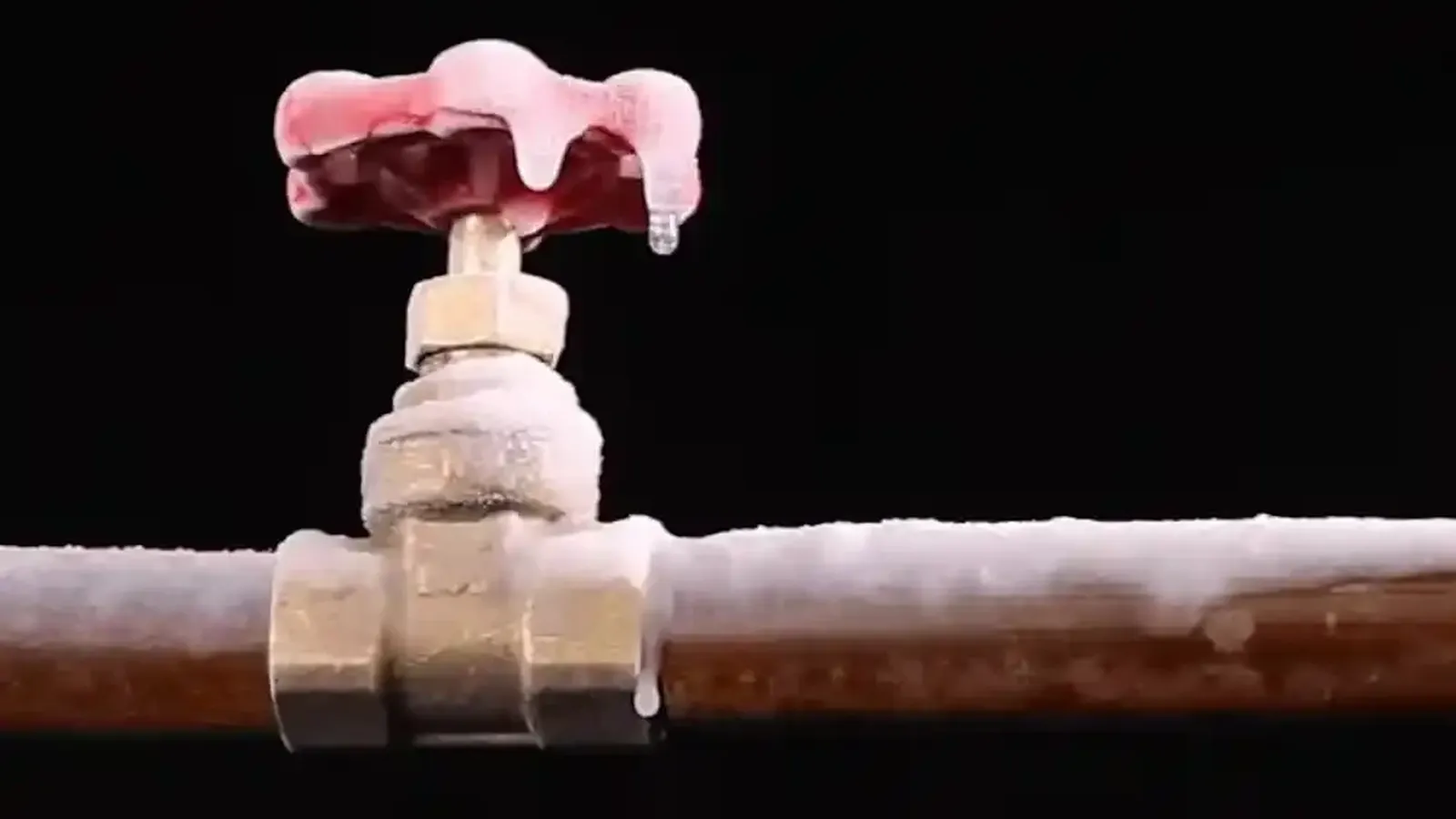
A frozen pipe means water inside has turned to ice. You may see no water or only a trickle at a tap, frost on the pipe or a bulge. A split pipe has cracked and will leak when the ice thaws. Often you cannot tell until it thaws.
Keep the main valve accessible. When a frozen pipe thaws, a split can release water quickly.
Safe thawing steps
What to do while you wait
- Open the faucet on the frozen line so melting water can leave.
- Apply gentle heat with a hair dryer, warm towels or a heating pad.
- Start near the faucet and work toward the frozen area.
- Never use an open flame, a torch or a kerosene heater on pipes.
- Close the main valve if you find a split or a drip.
- Call a plumber if you cannot reach the frozen section.
Thawing slowly is safer than thawing fast. Stay nearby while the pipe thaws, in case a leak appears.
No water in a cold snap? Call before the pipe thaws and splits.
Call (732) 466-1098What sets the cost
Repair and replace
A split pipe is cut out and replaced with a new section, using the right fittings for the material. PEX often survives freezing better than rigid pipe because it can expand slightly, though not always. If a pipe keeps freezing, the answer is insulation, heat or rerouting.
Our burst pipe repair page explains the repair paths in more detail. If several pipes failed, repiping may be worth discussing.
Prevent the next freeze
Insulate pipes in garages, crawlspaces and exterior walls. Seal air leaks around the places where pipes enter the house. On very cold nights, open cabinet doors under sinks on exterior walls and let a faucet drip. Disconnect hoses and drain outdoor spigots before winter.
If you leave the house for several days, keep the heat on and set it to a safe temperature. Know where the main valve is.
What a plumber looks for after a thaw
After the ice melts, the plumber checks the whole run. Pressure is brought back slowly, and fittings and valves along the pipe are watched for drips. A pipe that froze once will freeze again at the same spot, so the plumber also looks at why it froze. A gap in insulation, a cold air leak or a pipe run in an exterior wall is the usual reason.
Good plumbers explain the cause and the options. Rerouting a pipe costs more than adding insulation, but it solves the problem for good in a spot that keeps freezing.
Water damage after a thaw
A split pipe can release a lot of water once the ice thaws. Turn off the water, mop up what you can and open cabinet doors so wet areas dry. Run a fan and, if you have one, a dehumidifier. Check the ceiling below for stains. If drywall or insulation is wet, call your insurer and a restoration company soon, since mold can follow in a couple of days.
Vacation and vacant homes
A house left unheated is the classic frozen pipe case. If you travel in winter, ask a neighbor to check the house, keep the heat on and consider a leak sensor that sends an alert to your phone. If a house will sit empty for months, a plumber can drain the system and winterize it.
Middletown local note
Middletown Township includes bay-side shoreline neighborhoods and inland streets, and homes of many ages. Older houses may have pipes in exterior walls or crawlspaces that freeze more easily than pipes in newer construction.
Plumbing work in New Jersey must be done by a licensed master plumber, and the Middletown construction office at 1 Kings Highway, 732-615-2106, can tell you whether a major pipe replacement needs a permit. For the nearby borough, see our Red Bank page.
Plumbing standards in New Jersey come from the National Standard Plumbing Code 2021, adopted at N.J.A.C. 5:23-3.15, and the licensed master plumber you hire is responsible for meeting them.
Insurance and records
Sudden freezing damage is often covered, but check your policy. Take photos of the frozen pipe, the split and any damage. Keep the plumber's written note on the cause and repair.
Questions we hear from Middletown homeowners
No. Many freeze and thaw without splitting. But a split may not show until it thaws, so be ready to close the main valve.
No. An open flame can damage pipes and start a fire. Use gentle heat like a hair dryer.
Pipes in exposed areas may benefit from insulation or heat tape. A plumber can advise on products that are safe for your pipe material.
It becomes one when water flows from a split. Close the main valve and call the 24/7 line.